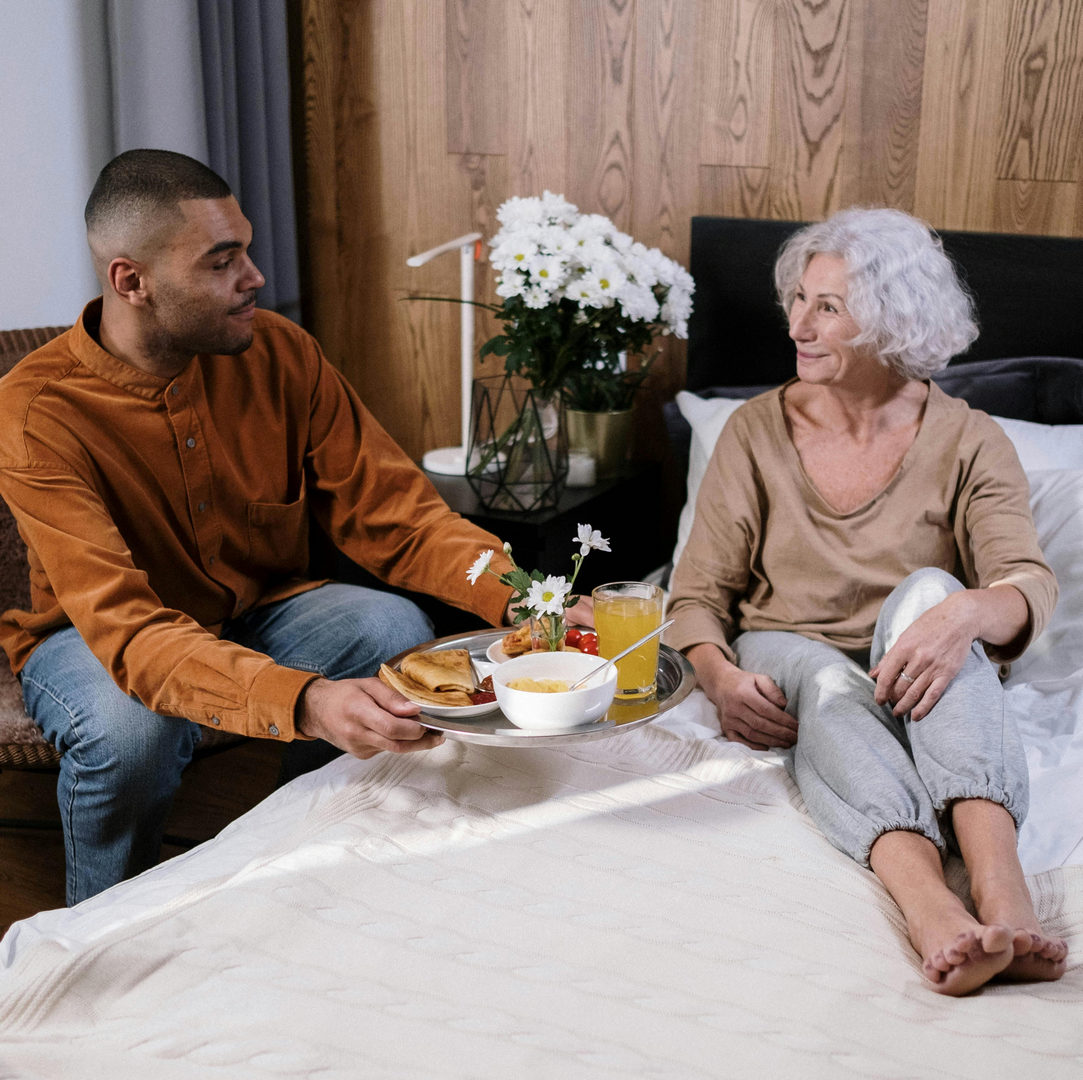
Caring for and respecting elders is a universal value that transcends borders, yet the approach varies widely across nations due to cultural, economic, and societal differences. Some countries excel in elder care through robust social policies, while others struggle due to limited resources or societal priorities.
Why Caring for Elders Matters
Moral Responsibility: Elders are the custodians of wisdom and tradition, deserving of dignity and care.
Social Stability: Societies that respect their elders often exhibit stronger family bonds and community cohesion.
Economic Impact: With aging populations, elder care is critical for sustainable economic growth and healthcare systems.
Top and Bottom Countries in Elder Care
Top Countries
Norway
Universal healthcare and pensions ensure elders live comfortably.
Work-life balance policies allow families to spend quality time with aging relatives.
Japan
Deep-rooted respect for elders, emphasized through cultural traditions.
Advanced healthcare and technological aids for elder care.
Sweden
State-sponsored elder care services with a focus on independent living.
Progressive elder-friendly urban planning.
Germany
Long-term care insurance and excellent eldercare infrastructure.
High wages for caregivers and professional development opportunities.
Netherlands
Community-based eldercare models focusing on inclusivity and dignity.
Strong social safety nets and elder rights protections.
Bottom Countries
Somalia
Lack of infrastructure and economic challenges hinder elder care.
Elders rely solely on family, with no government support systems.
Haiti
Political instability and poverty leave many elders without adequate care.
High dependence on informal caregiving networks.
India
Rapid urbanization and nuclear families reduce traditional support systems.
Limited government assistance, with high reliance on family for elder care.
Nigeria
Economic struggles and weak healthcare systems impact elder well-being.
Cultural respect exists but lacks systemic support.
South Sudan
Ongoing conflict and poverty severely impact elders’ quality of life.
Almost no formal eldercare infrastructure.
Economics and Elder Care
High-Income Countries: Norway, Sweden, and Germany allocate substantial funds to eldercare, offering universal pensions and subsidized services.
Middle-Income Countries: Countries like India struggle to balance economic growth with social welfare. Family remains the primary support system.
Low-Income Countries: In nations like Somalia, limited resources and political instability leave elders vulnerable.
Work Conditions and Wages for Caregivers
High-Income Countries: Caregivers are often well-compensated, with access to training and career progression (e.g., Germany).
Low-Income Countries: Caregiving roles are often informal and poorly paid, leading to high turnover and inadequate care.
Education and Respect for Elders
Cultural Education: In Japan and South Korea, respect for elders is ingrained from a young age, fostering a culture of care.
Formal Education: Scandinavian countries integrate eldercare topics into vocational training, ensuring quality services.
Comparing Countries: Key Metrics
Country
Life Expectancy
Pension Coverage (%)
Elder Happiness Index
Elder Care Policy Rating
Norway
83 years
100%
9/10
A
Japan
84 years
95%
8.5/10
A
India
70 years
20%
5/10
C
Nigeria
55 years
5%
3/10
D
Somalia
56 years
0%
2/10
F
How Can Countries Improve Elder Care?
Economic Policies
Introduce universal pension schemes to ensure financial security.
Subsidize healthcare costs for the elderly.
Work-Life Balance
Enact policies that allow caregivers to balance work and family responsibilities.
Offer incentives to employers who support caregiving employees.
Cultural Education
Promote the value of elder respect in schools and communities.
Revive traditions that honor and include elders in family life.
Healthcare Infrastructure
Develop accessible healthcare services, particularly in rural areas.
Invest in technology like telemedicine to reach isolated elders.
Community Support
Foster community-based eldercare programs, such as senior activity centers.
Encourage volunteer networks to assist elders in need.
Conclusion: A Shared Responsibility
The quality of elder care reflects a society’s values and priorities. High-income countries demonstrate the effectiveness of systemic support, while low-income nations often rely on traditional family roles. By addressing economic disparities, promoting cultural respect, and investing in healthcare and education, countries worldwide can ensure their elders live with dignity and happiness.
As the global population continues to age, the way we treat our elders will not only define our humanity but also shape the future of our societies.