Natural disasters are a persistent reminder of the Earth’s power and unpredictability. From hurricanes to earthquakes, floods to wildfires, these events disrupt lives and economies globally. However, the extent of their impact and how societies respond varies widely across regions. This blog explores the types of natural disasters, their economic consequences, response times, and the importance of disaster education. We’ll also compare countries based on their vulnerability and preparedness.
Types of Natural Disasters
Earthquakes
Sudden shaking caused by tectonic movements.
Most Affected Countries: Japan, Turkiye, Indonesia.
Economic Impact: Infrastructure collapse, rebuilding costs, and loss of life.
Floods
Excessive water accumulation due to rainfall or dam breaches.
Most Affected Countries: Bangladesh, India, Netherlands (due to low-lying areas).
Economic Impact: Loss of crops, displacement, and damages to infrastructure.
Hurricanes/Typhoons/Cyclones
Strong storms forming over warm ocean waters.
Most Affected Countries: United States, Philippines, Caribbean nations.
Economic Impact: Destruction of coastal cities, loss of tourism revenue, and relocation costs.
Wildfires
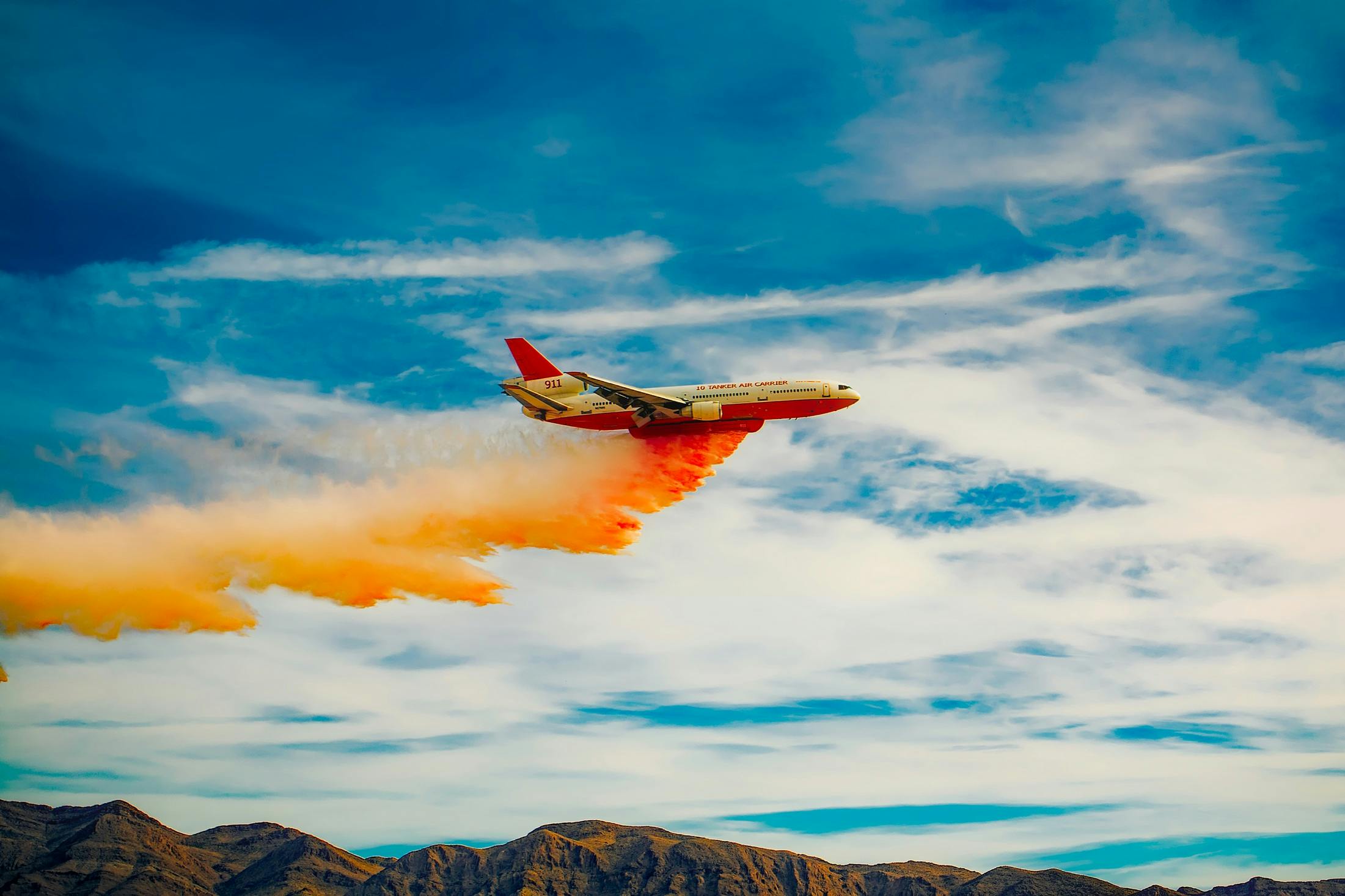
Uncontrolled fires in forests or grasslands.
Most Affected Countries: Australia, United States (California), Brazil.
Economic Impact: Destruction of wildlife, property, and agricultural lands.
Droughts
Prolonged periods without rainfall.
Most Affected Countries: Somalia, Ethiopia, parts of the United States (California).
Economic Impact: Loss of crops, water shortages, and migration.
Economic Impacts of Natural Disasters
Natural disasters can devastate economies, particularly in low-income countries:
Direct Costs: Damage to infrastructure, homes, and businesses.
Indirect Costs: Loss of productivity, increased insurance premiums, and disrupted supply chains.
Long-Term Costs: Economic stagnation due to resource diversion and rebuilding efforts.
Economic Comparison: Top and Bottom Affected Countries
Rank
Country
Annual Economic Loss (% of GDP)
Key Disaster Type
1
Haiti
20%
Earthquakes, Hurricanes
2
Bangladesh
15%
Floods, Cyclones
3
Philippines
12%
Typhoons, Earthquakes
…
…
…
…
50
Finland
<1%
Minimal disasters
Response Times: Preparedness and Action
Top Countries for Fast Response
Japan: Earthquake drills, tsunami warning systems, and advanced infrastructure.
Netherlands: State-of-the-art flood control systems like the Delta Works.
United States: FEMA provides rapid relief and coordination during disasters.
Countries Struggling with Response
Haiti: Poor infrastructure and lack of resources delay relief efforts.
Somalia: Political instability and limited funds hinder disaster management.
Education on Natural Disasters
Countries with Advanced Disaster Education
Japan: Regular earthquake drills in schools and public spaces.
New Zealand: Community preparedness programs for earthquakes and tsunamis.
United States: FEMA’s public awareness campaigns.
Countries Needing Improvement
Bangladesh: Limited resources for flood and cyclone education.
Sub-Saharan Africa: Drought education is minimal due to resource constraints.
Top and Bottom Countries for Each Disaster Type (Over the Years)
Disaster Type
Most Affected Countries
Least Affected Countries
Earthquakes
Japan, Indonesia, Turkiye
Norway, Finland
Floods
Bangladesh, India, Vietnam
Qatar, UAE
Hurricanes
US, Philippines, Caribbean
Landlocked nations like Nepal
Wildfires
Australia, US, Brazil
Iceland, Greenland
Droughts
Somalia, Ethiopia, Sudan
Canada, Ireland
Suggestions to Mitigate the Impact of Natural Disasters
Invest in Resilient Infrastructure
Use earthquake-proof designs and flood-resistant construction.
Improve Early Warning Systems
Adopt satellite monitoring and AI-powered prediction tools.
Promote Disaster Education
Ensure communities understand evacuation protocols and safety measures.
Collaborate Globally
Share resources, technology, and expertise to assist vulnerable nations.
Strengthen Environmental Policies
Address climate change to reduce the frequency and severity of disasters.
Conclusion: Building Resilient Communities
Natural disasters will always be part of our reality, but their impact can be minimized with proper preparation, education, and infrastructure. Countries like Japan and the Netherlands demonstrate how investment in disaster readiness can save lives and economies. Meanwhile, nations with fewer resources must focus on international collaboration and long-term strategies to protect their citizens. By working together and prioritizing resilience, we can better safeguard our world from nature’s challenges.