Natural Ingredients in Food: Which Countries Lead and Lag?
December 19, 2024
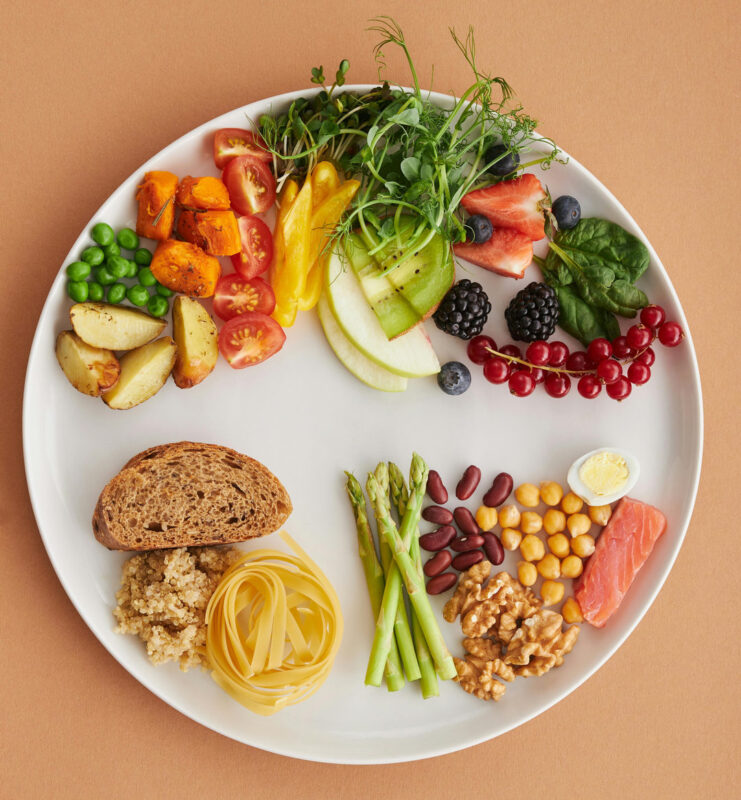
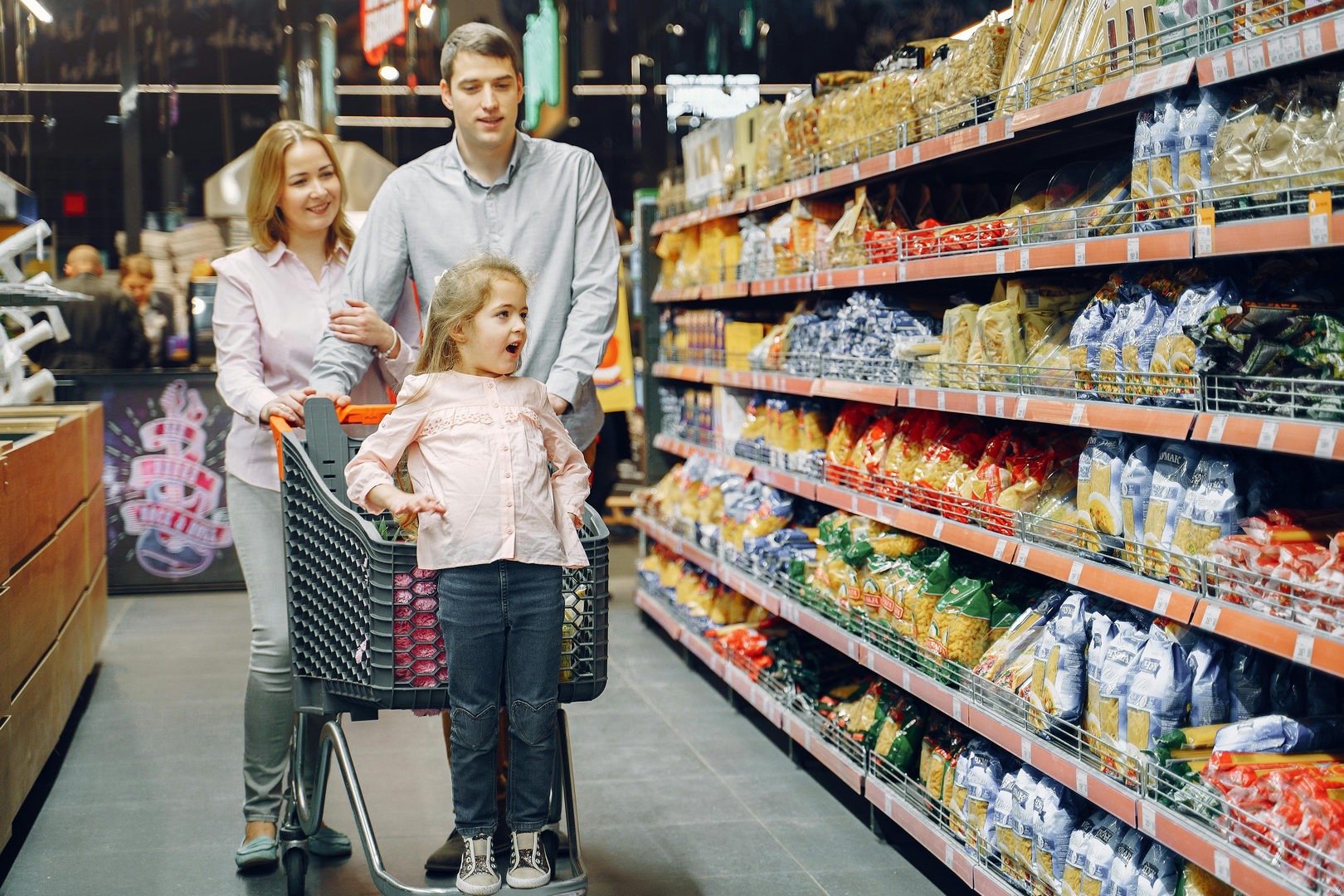
In an age where processed foods dominate supermarket shelves, the demand for natural ingredients in foods, snacks, and packaged goods is rising. People are becoming more conscious of what they consume, seeking products with fewer additives, preservatives, and artificial flavors. However, not all countries prioritize natural ingredients equally. This blog will explore the role of natural ingredients in packaged foods, the economics behind it, the influence of education and culture, the history of mass food production, and a comparison of top and bottom-ranking nations in natural food quality.
Over the last few decades, there has been a growing awareness of the health risks associated with artificial additives, processed sugars, and chemical preservatives in food. Many consumers now prefer organic, whole, and minimally processed foods. This shift has influenced regulations, marketing trends, and global food production.
The cost of natural ingredients plays a significant role in determining whether companies prioritize them. Factors such as local farming practices, government subsidies, and consumer purchasing power all influence the quality of food products.
Comparison of Natural vs. Processed Food Economics:
| Factor | Countries Favoring Natural Foods | Countries Relying on Processed Foods |
|---|---|---|
| Ingredient Quality | Locally sourced, organic, fresh | Imported, artificial, processed |
| Regulations | Strict food safety and labeling laws | Lax regulations, limited enforcement |
| Consumer Demand | Health-conscious, willing to pay more | Price-driven, affordability prioritized |
| Food Production | Small-scale farms, sustainable methods | Mass production, cost-cutting measures |
Education plays a vital role in food choices. Countries with higher nutrition awareness tend to consume more natural foods, while those with limited food education rely more on processed options.
Cultural Factors Shaping Natural Food Consumption:
Mass food production took off during the 20th century, with industrialization making processed foods widely available. Key historical developments include:
While mass production increased food accessibility, it also introduced chemical preservatives, artificial sweeteners, and synthetic additives, negatively affecting long-term health.
| Rank | Country | Food Quality (Natural vs. Processed) | Regulations | Cultural Food Preferences |
|---|---|---|---|---|
| 1 | Japan | High (Traditional, fresh, seasonal) | Strict | Seafood, rice, fermented foods |
| 2 | Italy | High (Mediterranean diet) | Strict | Olive oil, whole grains, fresh produce |
| 3 | France | High (Organic trend, strong culinary culture) | Moderate | Cheese, meats, organic farming |
| 4 | Denmark | High (Sustainable farming practices) | Strict | Farm-to-table, organic dairy |
| … | … | … | … | … |
| 45 | Mexico | Low (High sugar and processed food consumption) | Weak | Street food, sugary drinks |
| 46 | United Kingdom | Low (Heavy reliance on packaged foods) | Weak | Fast food, processed meats |
| 47 | United States | Low (Processed foods dominate supermarkets) | Weak | Fast food, high sugar content |
| 48 | China | Low (High sodium and artificial additives) | Moderate | Instant noodles, mass production |
| 49 | India | Low (Reliance on packaged snacks due to affordability) | Weak | Spicy processed foods, sweets |
As more people recognize the benefits of natural foods, the demand for high-quality, minimally processed ingredients is growing. While countries like Japan and Italy have long embraced fresh, whole foods, others like the U.S. and India still struggle with high consumption of processed products. With better regulations, education, and economic incentives, nations can move toward healthier eating habits and reduce the negative impact of mass food production on public health.
The future of food should focus on quality, sustainability, and accessibility—ensuring that every individual, regardless of income or location, can enjoy healthier and more natural meals.