Comparing What Money Can Buy Around the World
Purchasing Power Parity – Developed Countries as of 2023
Purchasing Power Parity (PPP) helps us compare the cost of living and economic strength between countries by looking at what people can actually buy with their income. This dashboard shows PPP data for developed countries as of 2023, highlighting differences in price levels and affordability. Explore how far a unit of currency goes in each country and what that means for daily life, wages, and overall well-being. It’s a valuable lens for understanding economic realities beyond raw income figures.
The value of all goods and services produced in a country per person, adjusted for purchasing power. It shows how much a person can buy with their income in their own country compared to others.
A higher PPP value indicates that incomes go further in terms of purchasing goods and services, while a lower PPP value suggests less purchasing power.
Conclusion
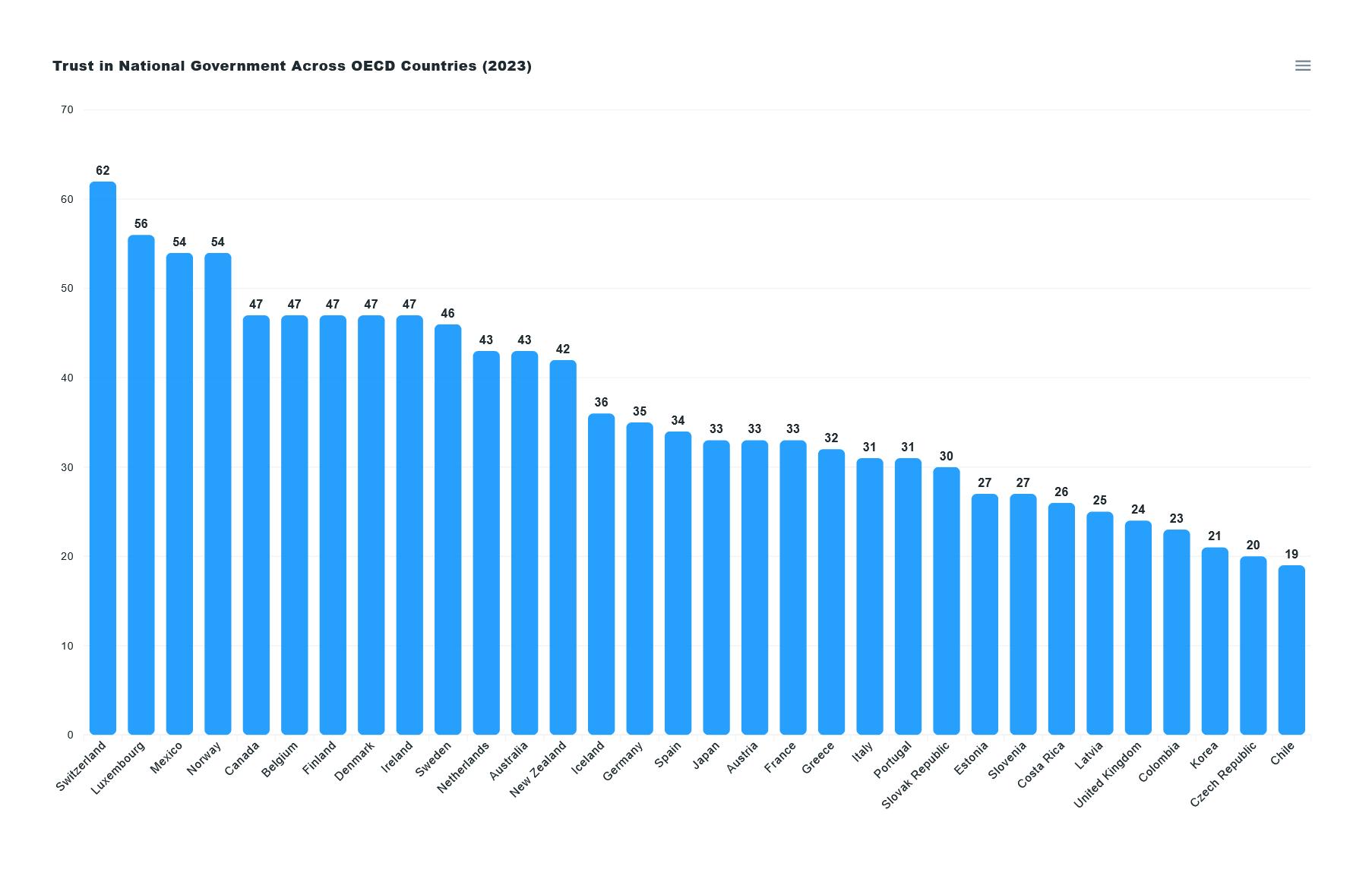
The success of the Nordic countries in achieving high social well-being metrics, despite their challenging climates and high tax rates, can be attributed to the strategic use of tax revenue to fund robust social policies. These policies, including a strong social safety net, work-life balance, equality, and high-quality public services, create an environment where citizens thrive.
This comprehensive approach not only elevates the standard of living but also fosters a sense of community and trust, further enhancing the well-being of these societies. As a result, the need for emigration from these regions has decreased, reflecting the stability and quality of life that their social systems provide.