Alarming Decline: Voter Turnout Trends Around the World in 2025
February 20, 2025
Voter turnout is one of the most visible markers of democratic participation. While some countries consistently see more than 80% of eligible voters casting ballots, others struggle to reach even half that number. Understanding the factors behind voter engagement requires more than just looking at election laws — economics, culture, access, trust, and even geography all play a role.
Let’s explore the complex web of voter participation trends, which countries are leading or lagging, and whether online voting might be a future solution or risk.
According to the International IDEA database and recent OECD election reports, the average voter participation across democracies is around 65%. However, this varies significantly:
| Country | Participation (%) | Year |
|---|---|---|
| Belgium | 89% | 2019 |
| Turkiye | 87% | 2023 |
| Sweden | 83% | 2022 |
| Denmark | 81% | 2019 |
| Australia | 79% | 2022 |
| Country | Participation (%) | Year |
|---|---|---|
| Switzerland | 39% | 2019 |
| Haiti | 22% | 2023 |
| Nigeria | 27% | 2023 |
| USA | 62% | 2020 |
| Bulgaria | 39% | 2023 |
* Source: International IDEA
Higher economic inequality often leads to lower turnout, especially among marginalized groups who feel politics doesn’t address their concerns. In contrast, wealthy countries with strong welfare systems (like Nordic nations) tend to have higher participation.
Countries that integrate civic education into early schooling (e.g., Germany, Finland) report stronger political engagement and higher youth turnout.
In nations with rural populations spread across difficult terrain (like Nepal or parts of Sub-Saharan Africa), physical access to polling stations limits participation.
Social cohesion plays a powerful role in driving people to the polls. When individuals feel part of a functioning community — supported by local organizations, unions, or neighborhood groups — they are more likely to vote. Peer influence, public discourse, and grassroots campaigns can reinforce a sense of responsibility. On the other hand, in fractured societies where citizens feel isolated or distrustful of neighbors and institutions, motivation to participate weakens. Building local trust may be just as important as national policy when it comes to boosting turnout.
Voter suppression, misinformation, or lack of free press in conflict zones can severely impact turnout. Meanwhile, high-stakes elections in polarized environments may drive more citizens to the polls.
✅ Potential Benefits:
❌ Key Challenges:
Bottom line: While Estonia successfully implemented secure nationwide e-voting, most democracies remain cautious due to cybersecurity and transparency issues. For online voting to truly increase participation, it must be trusted, inclusive, and verifiable.
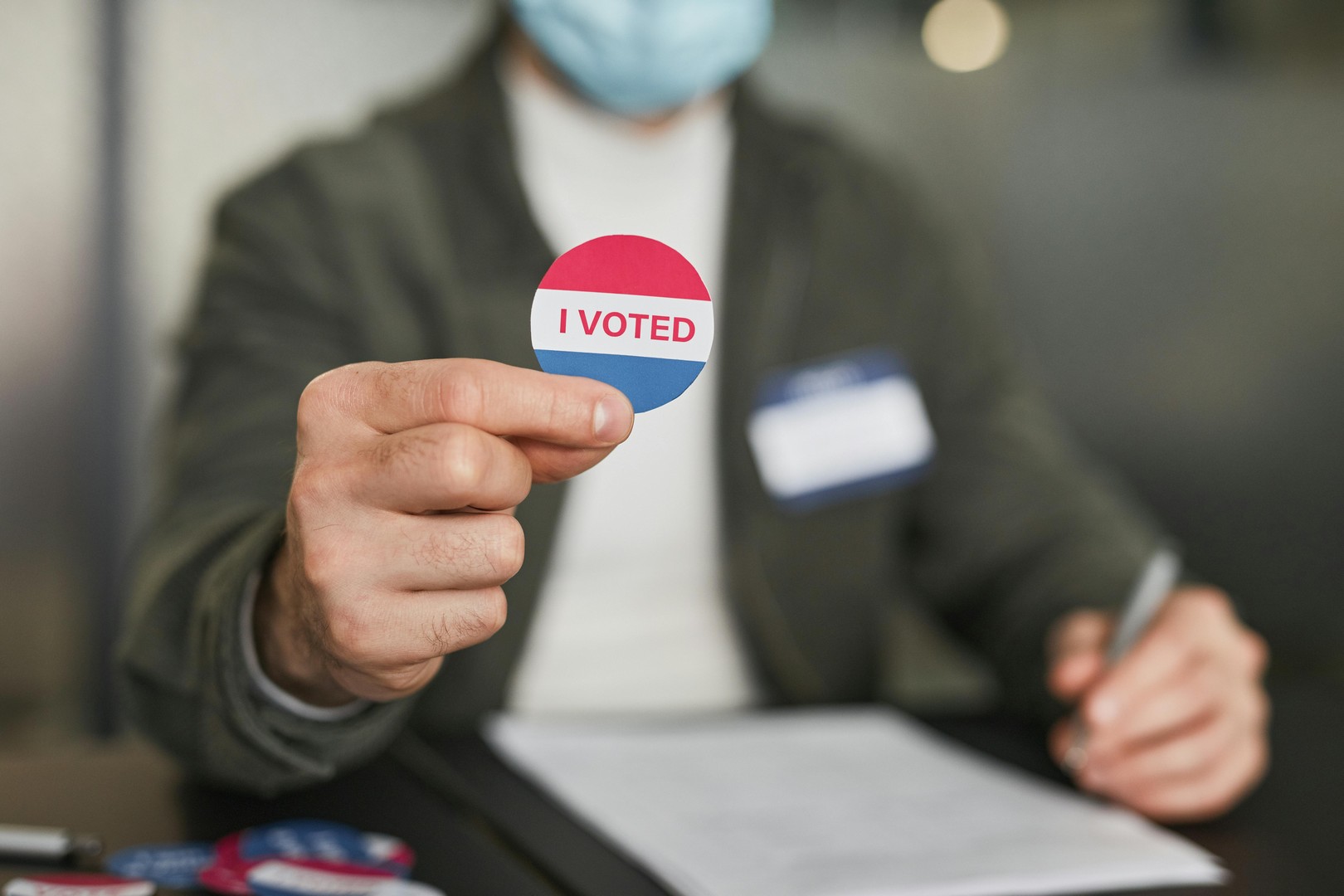
High or low turnout isn’t just about interest in politics — it reflects how citizens perceive their voice matters. Countries that invest in education, trust-building, easy access, and inclusive policies see better results at the ballot box.
To increase voter turnout worldwide — whether through online voting, better outreach, or civic education — we must address the roots, not just the symptoms.