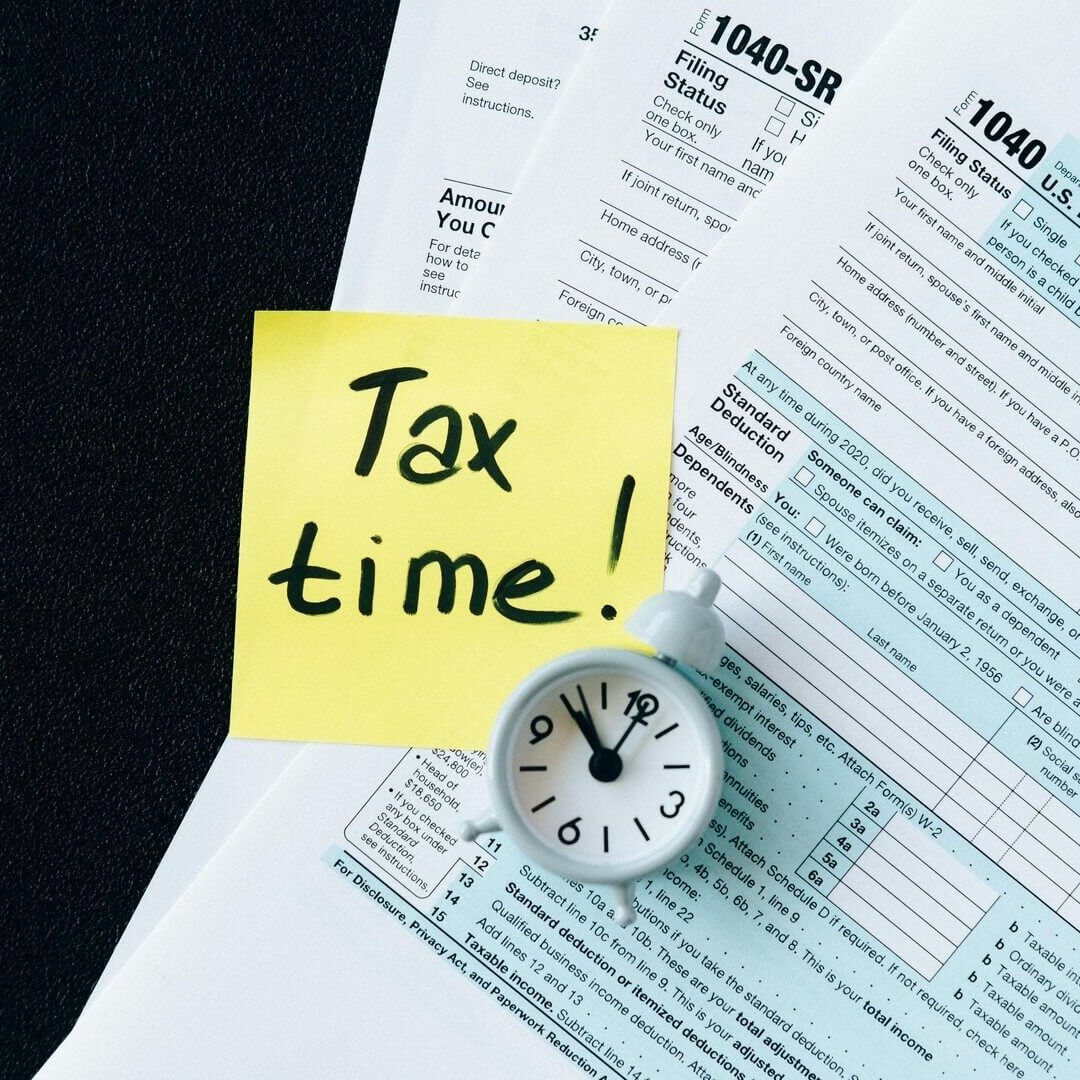
OECD Tax Rates 2025: Are You Truly Getting Your Money’s Worth?
Tax policy remains one of the most contentious aspects of modern governance. Across the 38 OECD member countries, tax rates vary dramatically – from Denmark’s 46.9% of GDP to Mexico’s…

The Hidden Cost of Love: Marriage Divorce Rates and Statistics (2000–2025)
The landscape of marriage divorce rates has undergone significant transformations across OECD countries over the past quarter-century. From economic pressures to shifting social norms, various factors have reshaped how people…

The Great Energy Divide: 2025 Power Outages and Resilience Report
Power outages are no longer isolated incidents—they are recurring stress tests on national infrastructure, economic stability, and emergency preparedness. From widespread blackouts in developing economies to targeted grid failures in…

Travel Preferences Across OECD Countries: Eye-Opening Shifts in Modern Travel Behavior in 2025
Across the globe, travel preferences have become a key cultural and economic topic, especially within OECD countries. Post-pandemic trends in 2025 show a return to high mobility, with tourism acting…

Smoking in 2025: Surprising Health and Economic Harms
Smoking remains a significant global health challenge, affecting countries in diverse ways. While some nations have made considerable progress in reducing tobacco use, others continue to face high levels of…

Pension Ages in Turkiye and Beyond: Policies vs. Reality
Retirement age policies vary significantly worldwide, influenced by economic stability, life expectancy, and political decisions. While some countries have raised their pension age due to aging populations, others, like Türkiye,…

The Dark Side of Affluence: Examining Wealth and Suicide Rates
Suicide is a deeply human tragedy that transcends borders, cultures, and socioeconomic classes. While it might seem intuitive that wealth and prosperity reduce suicide rates, the data tells a more…