Exploring the Relationship Between Poverty and Access to Processed Foods
Poverty and Processed Food Access – Developed Countries as of 2022
Access to processed foods is often linked to socioeconomic factors, including poverty. This dashboard explores the relationship between poverty rates and access to processed foods in developed countries as of 2022. It highlights how economic disparities influence food choices, with lower-income communities often having greater access to inexpensive, processed options. Understanding this connection is crucial for addressing nutrition-related health issues and fostering policies that promote healthier, more equitable food environments for all.
Conclusion
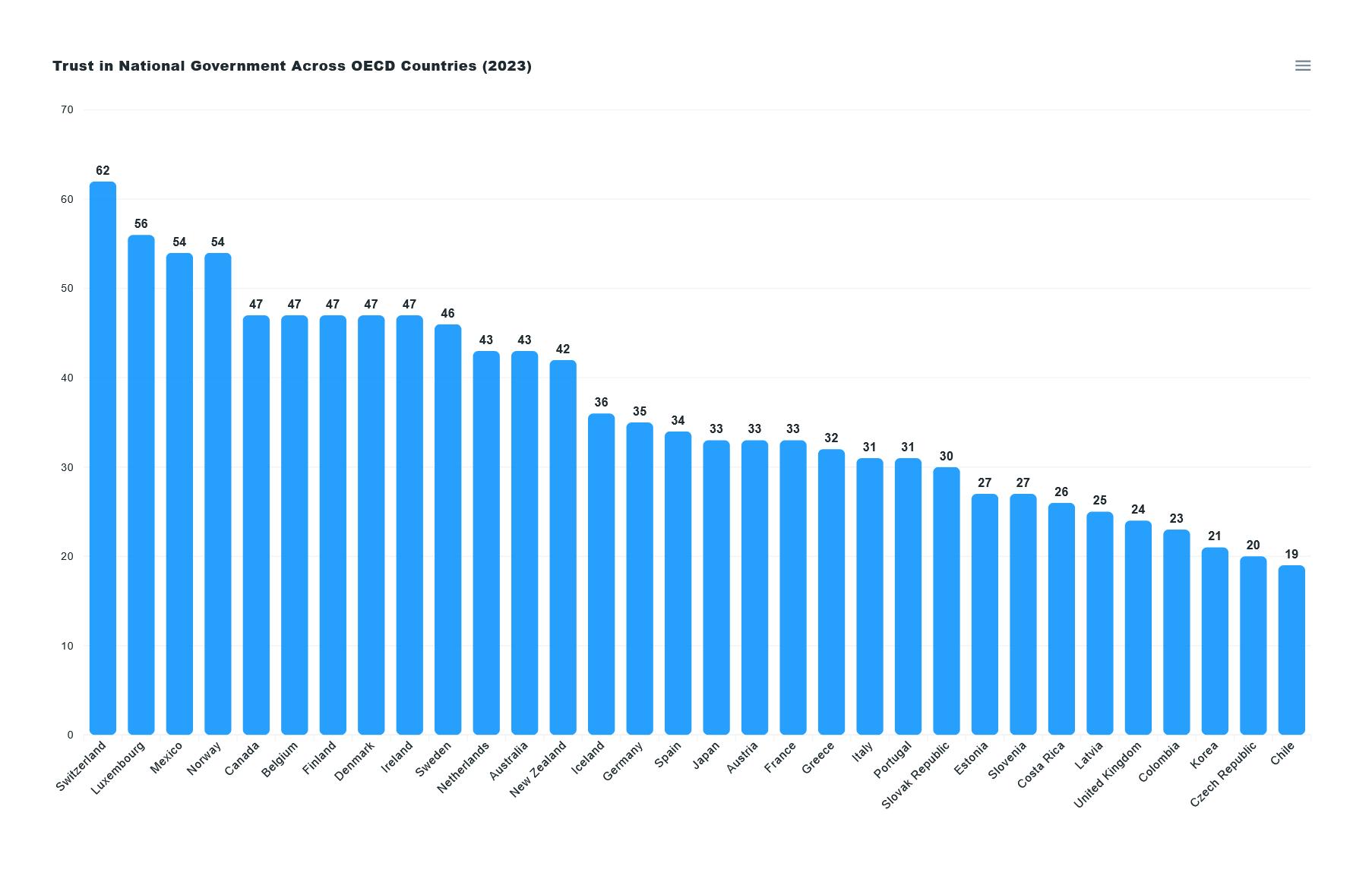
The success of the Nordic countries in achieving high social well-being metrics, despite their challenging climates and high tax rates, can be attributed to the strategic use of tax revenue to fund robust social policies. These policies, including a strong social safety net, work-life balance, equality, and high-quality public services, create an environment where citizens thrive.
This comprehensive approach not only elevates the standard of living but also fosters a sense of community and trust, further enhancing the well-being of these societies. As a result, the need for emigration from these regions has decreased, reflecting the stability and quality of life that their social systems provide.
Towards a More Effective and Equitable Healthcare System
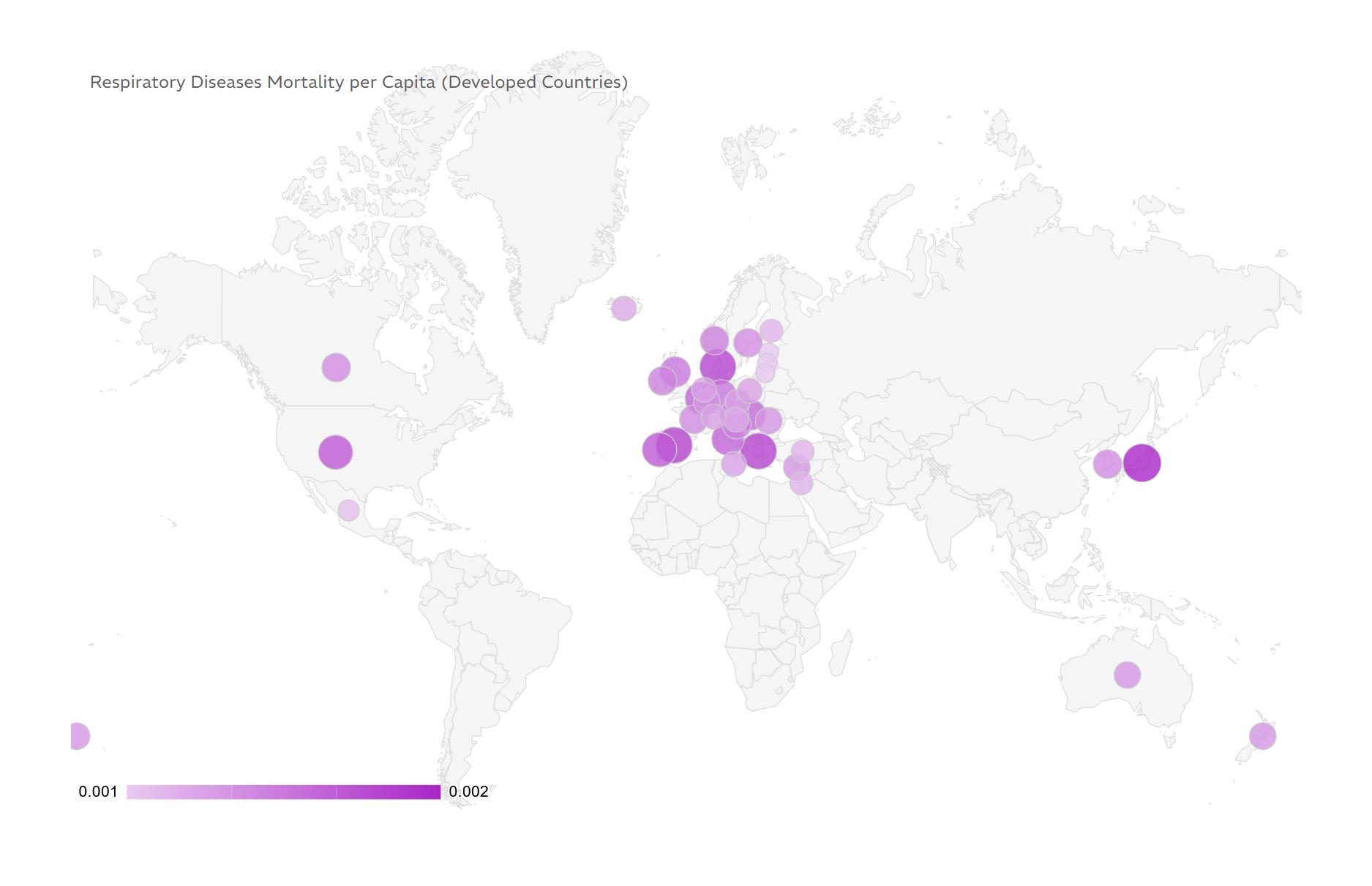
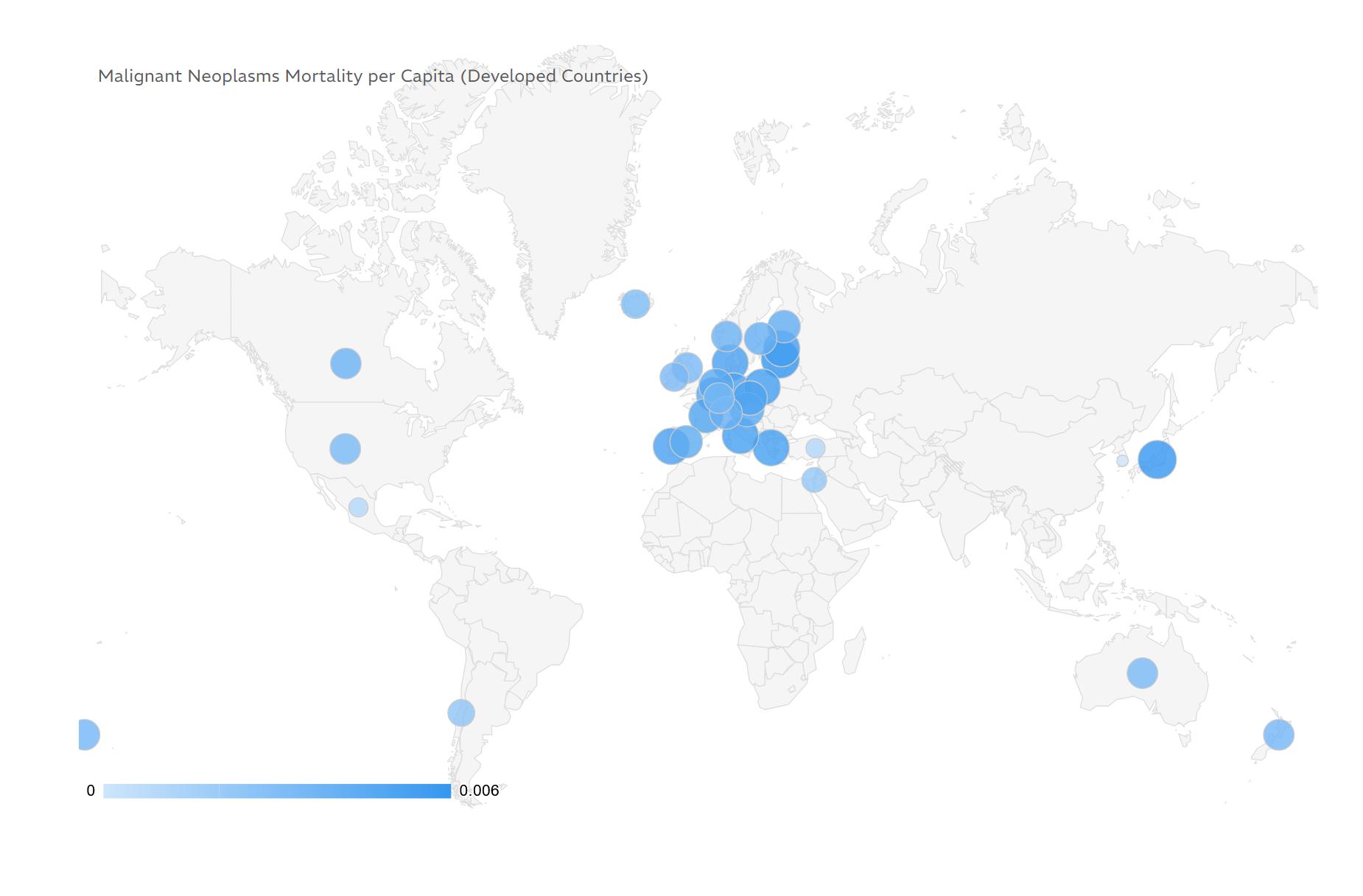
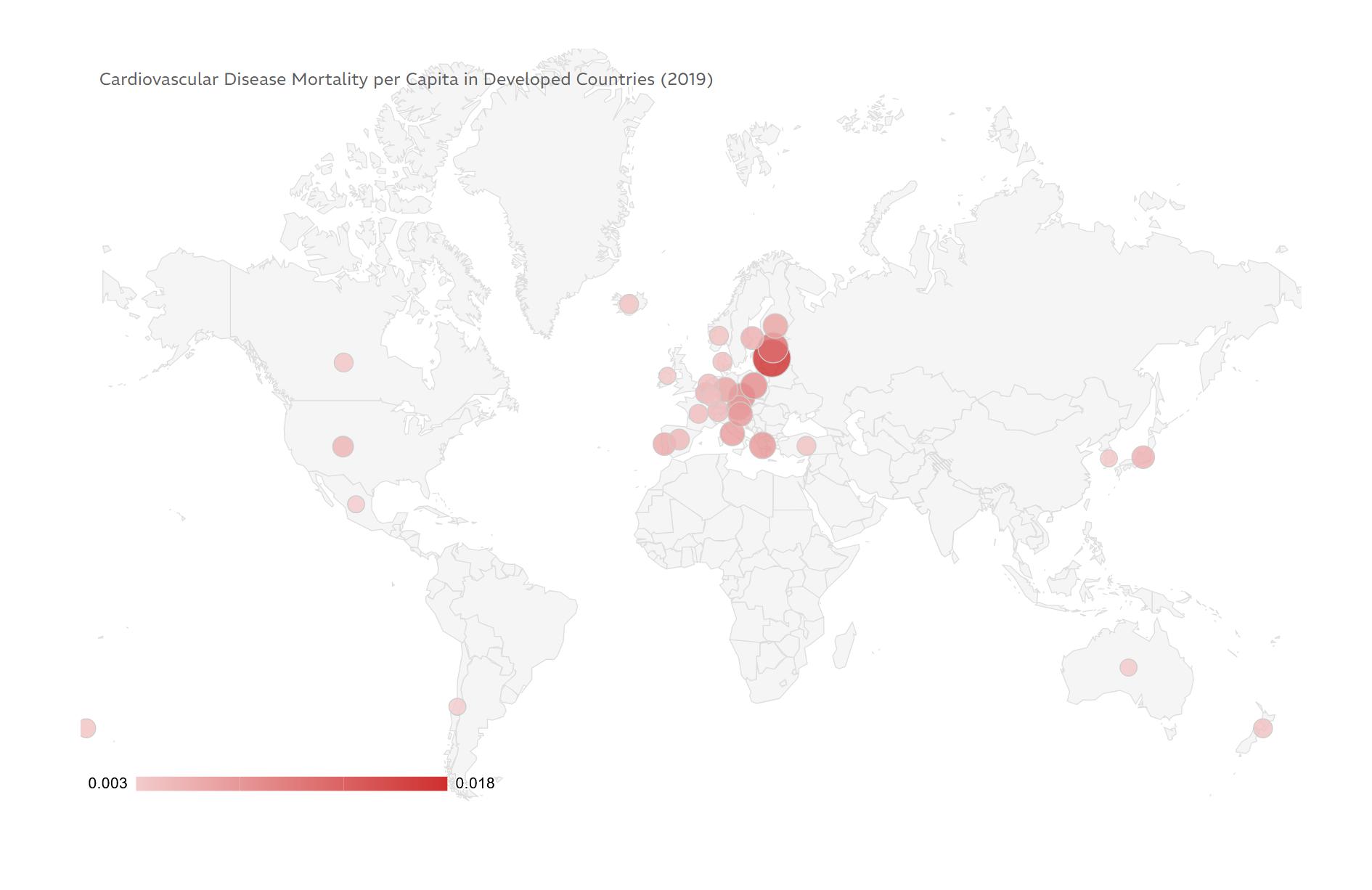
The analysis of global and regional healthcare performance reveals significant disparities in both cost and outcomes. Countries with robust preventive care and accessible healthcare systems, such as those in the Nordic region, consistently achieve better health outcomes despite high taxes.
The U.S., despite its high healthcare spending, struggles with inefficiencies, particularly in managing chronic diseases like diabetes and obesity. To improve global health, prioritizing access to healthy foods, preventive care, and affordable healthcare delivery is essential. A unified global healthcare approach might offer a solution to the current disparities and inefficiencies.