The Ultimate Guide to Paying for Healthcare: How Healthcare Costs Drastically Differ Worldwide [2025 Analysis]
January 24, 2025
Healthcare costs vary dramatically across the globe, creating vastly different financial burdens for citizens worldwide. While some nations provide comprehensive universal healthcare, others rely heavily on private insurance, out-of-pocket payments, or employer-based systems. These healthcare costs significantly impact quality of life, economic stability, and even life expectancy. This comprehensive analysis explores how different countries manage healthcare costs, the profound impact of their policies, and which best practices could be adopted to create more affordable healthcare systems globally.
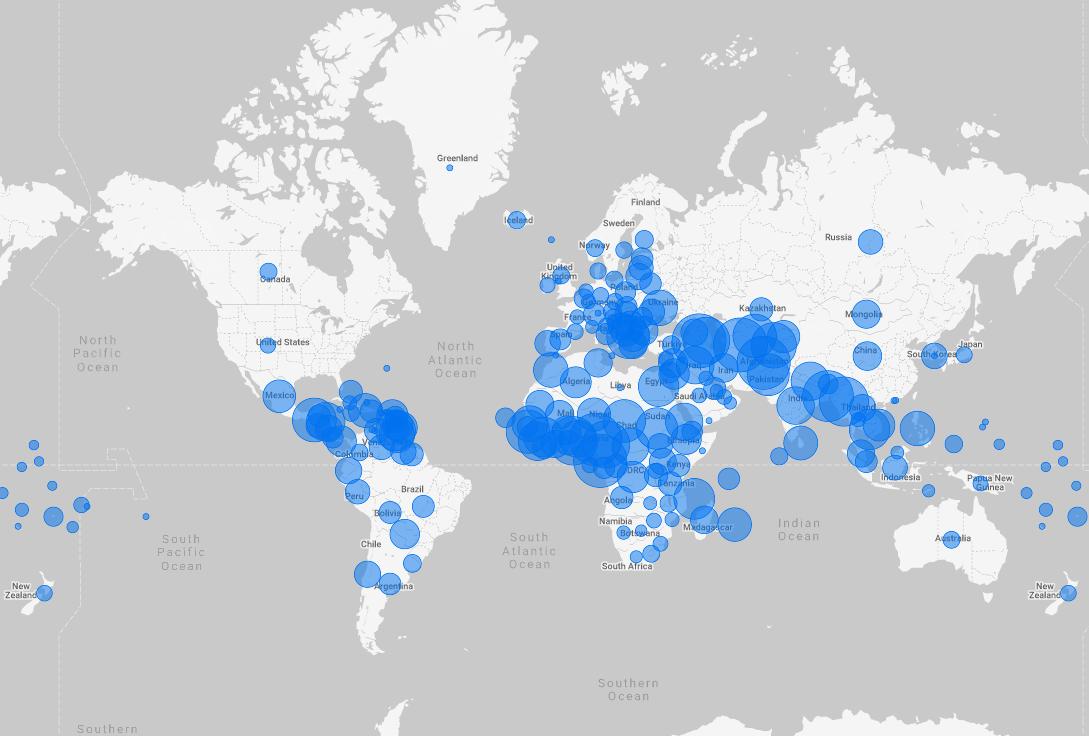
The cost of healthcare is intrinsically tied to a country’s GDP, income levels, and government funding allocation. Some nations heavily subsidize healthcare through taxation systems, while others leave citizens responsible for insurance or treatments through out-of-pocket payments.
| Country | Healthcare Spending (% of GDP) | Average Out-of-Pocket Cost per Year ($USD) | Healthcare System |
|---|---|---|---|
| USA | 16.8% | $11,000 | Private-Insurance Based |
| Switzerland | 11.8% | $4,500 | Universal but High Out-of-Pocket |
| Germany | 11.2% | $1,100 | Universal Public-Private Mix |
| UK | 10.2% | $500 | Public (NHS) |
| Japan | 10.7% | $750 | Public-Private Hybrid |
| Sweden | 10.9% | $120 | Universal with Small Co-Payments |
| Norway | 10.5% | $275 | Universal with Exemption System |
| Denmark | 10.0% | $650 | Universal, Free Primary & Hospital Care |
| Turkiye | 4.3% | $300 | Public-Private Hybrid, Free for Employees & Retirees |
| India | 3.8% | $75 | Private & Limited Public |
| Nigeria | 3.2% | $35 | Private & Out-of-Pocket |
Key Insight: The United States spends significantly more on healthcare costs than any other nation (16.8% of GDP) yet does not provide universal coverage. In contrast, countries like Japan, Germany, Turkiye, and the UK deliver affordable universal healthcare at markedly lower costs per capita.
The Nordic healthcare cost model ensures affordability through caps on co-payments and free primary or hospital care, substantially reducing financial risks for individuals.
Turkiye’s approach to healthcare costs offers free services to employees, retirees, and low-income individuals but faces challenges with overcrowding and extended wait times in public hospitals for complex procedures.
Cultural attitudes toward healthcare significantly influence how financing systems are structured:
Many European nations view healthcare as a fundamental human right and fund it through taxation systems. This approach reduces individual healthcare costs but increases government spending.
In these countries, employers typically provide healthcare coverage as part of employment benefits. However, job loss often means losing health insurance, creating significant financial vulnerability.
In numerous developing countries, healthcare remains largely privatized, meaning economically disadvantaged populations often lack access to adequate medical care due to prohibitive healthcare costs.
These countries maintain both public and private systems, allowing citizens to choose between state-funded care and premium private insurance options.
Comparative Analysis: The American system prioritizes individual responsibility for healthcare costs, while Scandinavian and European models emphasize collective funding through taxation to ensure equitable access regardless of personal financial circumstances.
Healthcare funding models have evolved significantly throughout history:
Global Trend: Most developed nations have progressively moved toward universal healthcare models, while the United States remains an exception with its high-cost predominantly private system.
Several countries have successfully controlled healthcare costs while maintaining high-quality care standards.
| Country | Healthcare Model | Average Monthly Insurance Cost ($USD) | Waiting Times for Specialist | Out-of-Pocket Costs (%) |
|---|---|---|---|---|
| USA | Private & Employer-Based | $500–$1,200 | 1–4 weeks | 50% |
| UK | Public (NHS) | $0 | 6–12 weeks | 10% |
| Germany | Universal Public-Private | $250–$400 | 2–6 weeks | 15% |
| Japan | Public-Private Hybrid | $150–$300 | 1–4 weeks | 20% |
| Canada | Public (Tax Funded) | $0 | 4–12 weeks | 12% |
| Sweden | Universal | $20 per visit | 2–8 weeks | 10% |
| Norway | Universal | $0 | 4–10 weeks | 7% |
| Denmark | Universal | $0 | 2–6 weeks | 5% |
| Turkiye | Public-Private Hybrid | $0 | 1–6 weeks | 15% (Private) |
| India | Private & Out-of-Pocket | $10–$50 | 1–2 weeks | 70% |
| Nigeria | Private & Out-of-Pocket | $5–$30 | 1–4 weeks | 80% |
Essential Takeaways on Healthcare Costs:
The financial burden of healthcare costs represents one of the most significant global challenges today. While some countries successfully balance affordability and quality, others struggle with excessive costs, system inefficiencies, or inadequate access.
As healthcare costs continue to rise globally, finding the optimal balance between public funding, private sector innovation, and universal accessibility will be crucial in ensuring everyone can receive quality medical care without experiencing financial hardship.
External Resources: